
For any modern agency, SEO agency SEO dashboard reporting is not just about sharing numbers—it’s about telling a clear, meaningful story. Clients don’t want spreadsheets filled with confusing data. They want to understand what’s working, what’s improving, and where to go next.
This guide explains how to create powerful reporting dashboards that turn raw data into insights. You’ll learn what to include, how to present it, and how to make your reports valuable for both your team and your clients.
Quick Answer
SEO agency SEO dashboard reporting is a system that collects, organizes, and visualizes website performance data in one place, helping agencies track results and communicate progress clearly to clients.
Table of Contents
- What Is SEO Agency SEO Dashboard Reporting
- Why Dashboard Reporting Matters for Agencies
- Key Metrics to Include in Your Dashboard
- Types of SEO Dashboards You Should Build
- How to Create an Effective Reporting Dashboard
- Best Tools for Dashboard Reporting
- Common Mistakes to Avoid
- Tips to Make Reports More Valuable
- FAQ Section
- Conclusion
What Is SEO Agency SEO Dashboard Reporting?
SEO agency SEO dashboard reporting refers to using visual dashboards to present performance data such as traffic, rankings, and conversions in a simple and organized way.
Instead of sending long reports, agencies use dashboards to:
- Track performance in real time
- Highlight progress clearly
- Simplify complex data
- Help clients make decisions
A good dashboard answers one simple question:
“Is the campaign working?”
Why Dashboard Reporting Matters for Agencies
1. Builds Client Trust
Clear reporting shows transparency. When clients can see progress easily, they feel more confident in your work.
2. Saves Time
Instead of creating reports manually every month, dashboards automate the process.
3. Improves Decision-Making
Dashboards help you quickly identify:
- What’s working
- What needs improvement
- Where to focus next
4. Keeps Everyone Aligned
Both your team and your clients stay on the same page with shared data.
Key Metrics to Include in Your Dashboard
Not all metrics matter equally. The goal is to focus on what actually drives results.
1. Organic Traffic
- Total visitors from search engines
- Trends over time
- Growth compared to previous periods
2. Keyword Rankings
- Top-performing keywords
- Ranking improvements
- New keywords entering top positions
3. Click-Through Rate (CTR)
- Percentage of users clicking your listings
- Helps evaluate title and meta performance
4. Conversions
- Leads, signups, or sales
- The most important metric for clients
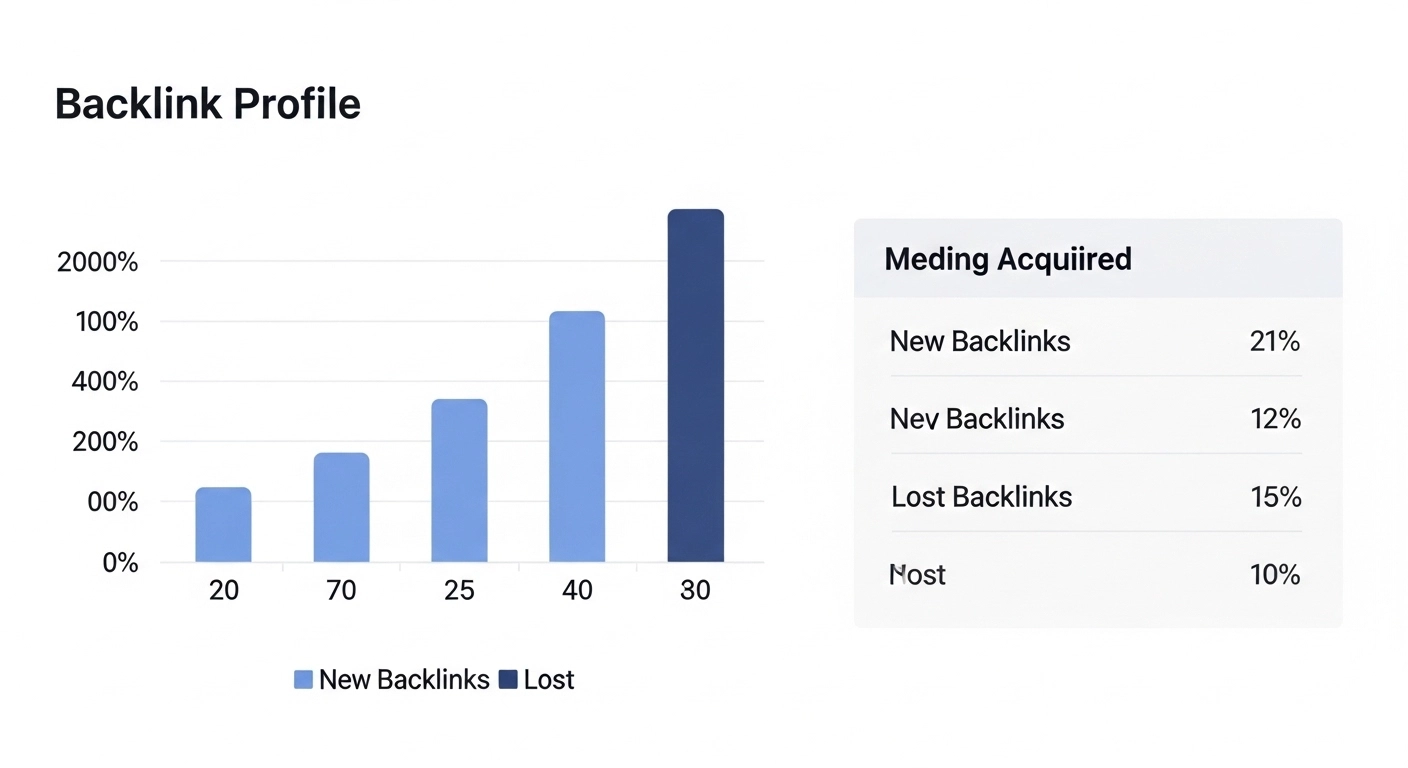
5. Backlinks
- Number of referring domains
- Quality of links
- Growth over time
6. Technical Health
- Site errors
- Page speed
- Mobile performance
Types of SEO Dashboards You Should Build
Different clients need different dashboards. Here are the most useful ones.
1. Executive Dashboard
Designed for business owners.
Includes:
- Traffic growth
- Leads or revenue
- Overall performance summary
2. Keyword Tracking Dashboard
Focuses on ranking performance.
Includes:
- Keyword positions
- Movement trends
- Visibility score
3. Technical Dashboard
Used by developers and specialists.
Includes:
- Crawl errors
- Page speed insights
- Indexing issues
4. Content Performance Dashboard
Tracks how content is performing.
Includes:
- Top pages
- Engagement metrics
- Content-driven traffic
How to Create an Effective Reporting Dashboard
Step 1: Define Your Goal
Before building anything, ask:
- What does the client care about?
- What decisions will this data support?
Step 2: Choose the Right Data Sources
Connect tools that provide accurate data, such as:
- Analytics platforms
- Search performance tools
- Link tracking tools
Step 3: Keep It Simple
Avoid clutter. A good dashboard should:
- Show only important metrics
- Use clear labels
- Be easy to understand at a glance
Step 4: Use Visual Elements
Visuals make data easier to understand:
- Line graphs for trends
- Bar charts for comparisons
- Pie charts for distribution
Step 5: Add Context
Numbers alone are not enough.
Always explain:
- Why changes happened
- What actions were taken
- What comes next
Best Tools for Dashboard Reporting
Choosing the right tools can make your workflow faster and more efficient.
Popular Dashboard Tools
- Google Looker Studio (formerly Data Studio)
- AgencyAnalytics
- SEMrush dashboards
- Ahrefs reports
- Databox
What to Look for in a Tool
- Easy integrations
- Customizable dashboards
- Automated reporting
- Clear visualizations
Common Mistakes to Avoid
Even experienced agencies make reporting mistakes.
1. Showing Too Much Data
Too many metrics confuse clients.
Fix: Focus on what matters most.
2. Ignoring Business Goals
Traffic alone doesn’t matter if it doesn’t convert.
Fix: Always connect data to results.
3. Lack of Explanation
Clients may not understand the numbers.
Fix: Add short insights or summaries.
4. Inconsistent Reporting
Changing formats every month creates confusion.
Fix: Keep a consistent structure.
Tips to Make Reports More Valuable
1. Focus on Outcomes, Not Just Data
Instead of saying:
“Traffic increased by 20%”
Say:
“This increase brought 50 new leads.”
2. Use Comparisons
Show performance over time:
- Month vs month
- Year vs year
This highlights progress clearly.
3. Add Action Steps
Every report should answer:
“What should we do next?”
4. Customize for Each Client
Different clients care about different things.
- E-commerce → sales
- Local business → leads
- Blog → traffic
5. Keep It Visual and Clean
A clean dashboard:
- Looks professional
- Is easier to understand
- Builds trust
FAQ Section
1. What is SEO agency SEO dashboard reporting?
It is a system that displays performance data in a visual dashboard, helping agencies track and present results clearly.
2. What should be included in an SEO dashboard?
Key elements include traffic, rankings, conversions, backlinks, and technical performance metrics.
3. How often should dashboards be updated?
Most dashboards update in real time, but clients typically review them weekly or monthly.
4. Which tool is best for dashboard reporting?
Tools like Google Looker Studio, Databox, and AgencyAnalytics are widely used due to their flexibility and integrations.
5. Why is dashboard reporting important?
It simplifies complex data, improves communication, and helps clients understand the value of ongoing work.
Conclusion
Effective SEO agency SEO dashboard reporting transforms raw data into clear insights that drive better decisions. Instead of overwhelming clients with numbers, a well-designed dashboard tells a story—showing progress, highlighting wins, and guiding future strategy.
By focusing on the right metrics, using clean visuals, and adding meaningful context, agencies can create reports that truly matter. When done right, dashboard reporting doesn’t just inform—it builds trust, strengthens relationships, and supports long-term growth.

Known as the “Father of American Literature,” Mark Twain was a humorist, novelist, and travel writer. His famous works include The Adventures of Tom Sawyer and Adventures of Huckleberry Finn. Twain’s witty storytelling and sharp satire make his quotes perfect for clever and funny captions.